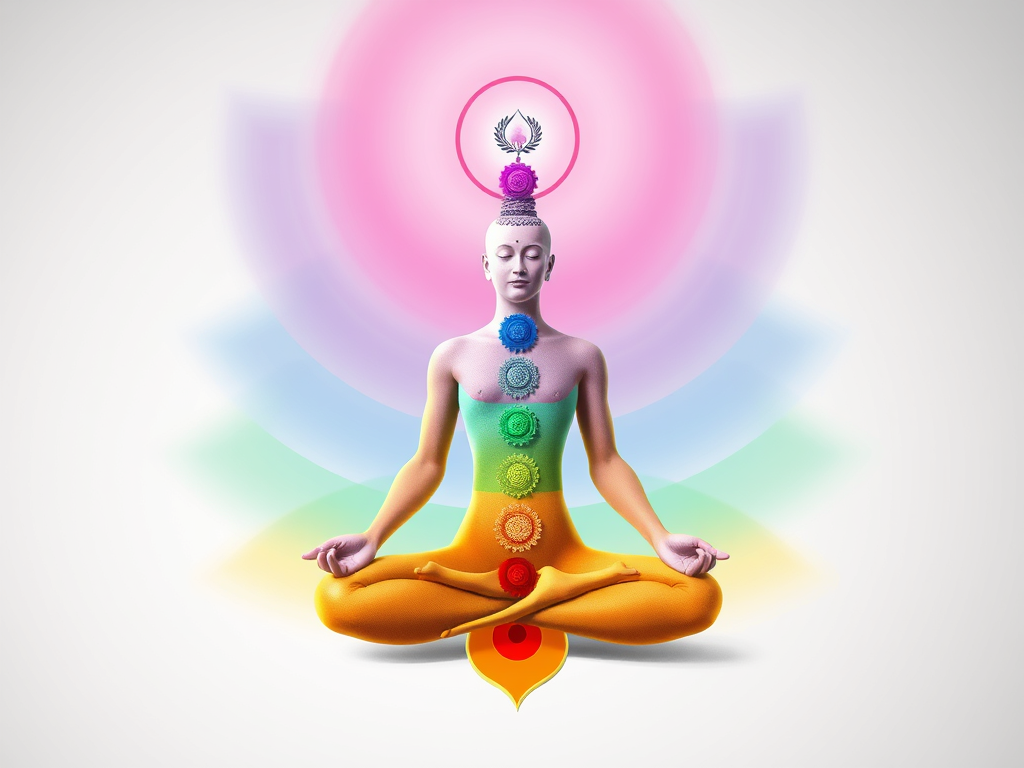
The chakra system is an ancient concept that comes from Hinduism and later spread to various spiritual traditions, including Buddhism and New Age practices. It is deeply embedded in Indian spiritual traditions, particularly in the context of meditation, yoga, and Ayurveda. The word “chakra” itself comes from the Sanskrit word for “wheel” or “disk,” and it refers to energy centers in the body. These centers are thought to correspond to various physical, emotional, and spiritual aspects of life.
History of the Chakra System
- Ancient Origins in Hinduism: The chakra system originates in the Vedic texts of ancient India, particularly in the Upanishads (circa 1st millennium BCE), which describe energy centers in the body. However, the system as it is known today was more fully developed in the Tantras (circa 6th-12th centuries CE), texts related to spiritual practices that integrated yoga, meditation, and other esoteric rituals.
- Influence of Yoga: Over the centuries, the chakra system became a central part of yogic practices. In texts such as the Yoga Sutras of Patanjali (circa 2nd century BCE), the focus shifted to mental and spiritual purification, with chakras representing the intersection of physical, emotional, and spiritual states. The practice of meditation and breathing exercises (pranayama) helped to activate and balance these energy centers.
- Buddhism and Other Traditions: Although the concept of chakras is mostly associated with Hinduism, it also appears in some forms of Buddhism, particularly Tibetan Buddhism. The chakras were seen as points of focus for meditation and as a way to transcend the ego and achieve spiritual enlightenment.
- Western Popularization: In the late 19th and early 20th centuries, Western scholars began translating Indian texts and philosophies, and the chakra system became more widely known in the West, especially during the New Age movement. The focus shifted to a more holistic view of health and wellness, with chakras being linked to physical, emotional, and mental well-being.
The Seven Main Chakras
The traditional chakra system consists of seven main energy centers that run along the spine, from the base to the crown of the head. Each chakra is associated with a particular color, sound, element, and set of physical, emotional, and spiritual characteristics. Here’s a breakdown of the seven main chakras:
- Root Chakra (Muladhara)
- Location: Base of the spine, near the tailbone
- Color: Red
- Element: Earth
- Characteristics:
- This chakra is associated with survival, security, and grounding. It governs our connection to the earth and basic needs, such as food, shelter, and safety.
- A balanced root chakra helps us feel secure, stable, and confident. An imbalanced root chakra can manifest as fear, anxiety, or instability.
- Affirmation: “I am grounded and secure.”
- Sacral Chakra (Svadhisthana)
- Location: Lower abdomen, about two inches below the navel
- Color: Orange
- Element: Water
- Characteristics:
- This chakra governs emotions, creativity, sexuality, and personal relationships.
- A balanced sacral chakra leads to emotional well-being, creativity, and healthy relationships. An imbalanced one can lead to emotional instability, guilt, or issues with intimacy.
- Affirmation: “I embrace my creativity and passion.”
- Solar Plexus Chakra (Manipura)
- Location: Upper abdomen, around the diaphragm
- Color: Yellow
- Element: Fire
- Characteristics:
- This chakra is associated with personal power, self-esteem, confidence, and willpower.
- When balanced, the solar plexus chakra enhances our ability to take action, set boundaries, and assert ourselves. An imbalanced solar plexus chakra can result in low self-esteem, lack of confidence, or being overly controlling.
- Affirmation: “I am confident and in control of my life.”
- Heart Chakra (Anahata)
- Location: Center of the chest, near the heart
- Color: Green (sometimes pink)
- Element: Air
- Characteristics:
- The heart chakra is the center of love, compassion, forgiveness, and emotional healing.
- A balanced heart chakra allows for deep, unconditional love and empathy for others. When out of balance, it can lead to feelings of bitterness, grief, or difficulty in forming healthy relationships.
- Affirmation: “I give and receive love freely.”
- Throat Chakra (Vishuddha)
- Location: Throat area
- Color: Blue
- Element: Ether (or sound)
- Characteristics:
- This chakra governs communication, self-expression, and truth.
- A balanced throat chakra allows for clear communication, honesty, and the ability to speak one’s truth. An imbalanced throat chakra can manifest as difficulty expressing oneself, fear of speaking out, or dishonesty.
- Affirmation: “I express myself freely and clearly.”
- Third Eye Chakra (Ajna)
- Location: Forehead, between the eyebrows
- Color: Indigo
- Element: Light (or wisdom)
- Characteristics:
- The third eye chakra is associated with intuition, insight, clarity, and spiritual awareness.
- A balanced third eye chakra enhances one’s ability to perceive the deeper truths of life and trust their intuition. An imbalanced third eye chakra may lead to confusion, lack of insight, or difficulty connecting to higher wisdom.
- Affirmation: “I trust my intuition and inner wisdom.”
- Crown Chakra (Sahasrara)
- Location: Top of the head
- Color: Violet or white
- Element: Thought (or consciousness)
- Characteristics:
- This chakra is linked to spiritual connection, enlightenment, and higher consciousness.
- When the crown chakra is balanced, it allows for a sense of unity with the universe, spiritual awareness, and the experience of oneness. Imbalances may result in feelings of disconnection, confusion about one’s purpose, or a lack of spiritual fulfillment.
- Affirmation: “I am connected to the divine and the universe.”
Conclusion
The chakra system provides a framework for understanding how energy flows through the body and how this energy is connected to our physical, emotional, and spiritual well-being. When balanced, the chakras can help us achieve a harmonious and fulfilling life, but when out of balance, they can manifest as physical or emotional challenges. Meditation, yoga, and energy work are often used to align and balance these chakras, promoting overall health and vitality.
 Life Of Your Dreams Hypnosis
charming! Self-Flying Taxis Begin Trials in Major Cities 2025 enthralling
LikeLike
Thanks for the detailed notes
LikeLike